Fiber Recycling: What It Is, How It Works & Why It Matters in 2026
Introduction
What Is Fiber Recycling?
Nonwoven fiber recycling is the process of taking waste or scrap materials and breaking them down into usable fiber that can be used to manufacture new products. Fibers can be recovered during the manufacturing process (before or after bonding), as well as recycling used materials such as textiles. Some examples include:
- reusing edge-trim in the manufacturing process
- Re-fiberizing skeletons or scrap bonded material to recover and reuse the fiber
- Shredding and re-fiberizing textile waste
- Blending recycled fibers into virgin material streams to manufacture new products
- Using chemical processes to break down textile waste into component fibers which can then be used to manufacture new products
- Using mechanical processes such as shredding and re-fiberizing to create fibers which can be blended with virgin fiber to create new products
Types of Fiber Recycling
Fiber recycling is commonly divided into two main categories based on how materials are processed.
1. Mechanical Fiber Recycling
- Shredding tears materials into small pieces which can be re-fiberized in an opener or card machine
- Opening or re-fiberizing pulls shredded materials apart using wired rolls so the output can be used to manufacture new products
- Quality loss factors include fiber length and color consistency. Many fibers can be mechanically recycled with quality similar or even surpassing virgin fiber. Mechanical recycling can shorten fiber length for certain fibers such as cotton, which necessitate blending a percentage of virgin fiber with recycled fibers to maintain strength
2. Chemical Fiber Recycling
Chemical fiber recycling uses chemical processes to break down fibrous materials into molecular building blocks, which can then be used to create new high quality fibers equal in quality to virgin fibers. Chemical recycling can be more energy intensive than mechanical recycling, and can also create chemical waste streams from the chemical inputs. However chemical recycling can be used to recycle difficult materials such as contaminated materials or blended materials which are difficult to mechanically recycle.
3. Closed-Loop vs. Open-Loop Fiber Recycling
Closed-loop recycling turns waste textile materials into new high quality products of the same type, such as making new clothing from old clothing, or taking scrap or waste products from the end of the manufacturing process and reclaiming the fiber for re-introduction into the manufacturing process. Open-loop recycling turns waste textiles into lower value products (such as turning used clothing into automotive insulation or stuffing).
Closed Loop Recycling examples:
- Sound Absorbing Panels: Acoustical Panels are collected, shredded, and refiberized, and then formed into a new web to make new acoustical panels for buildings.
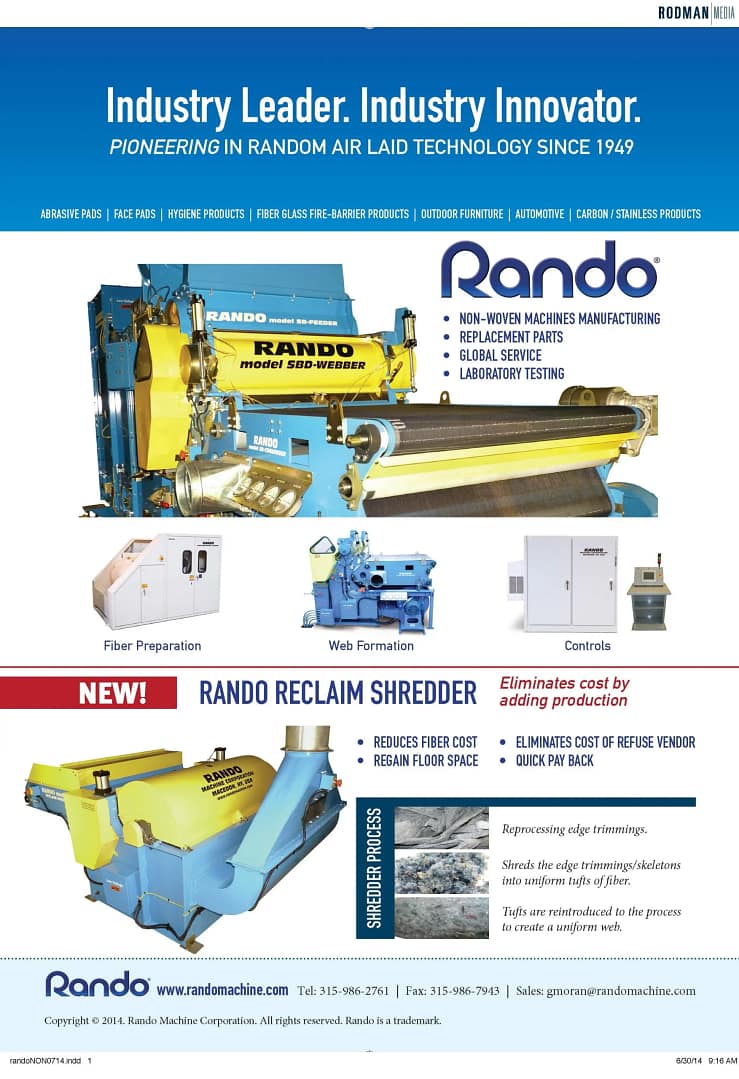
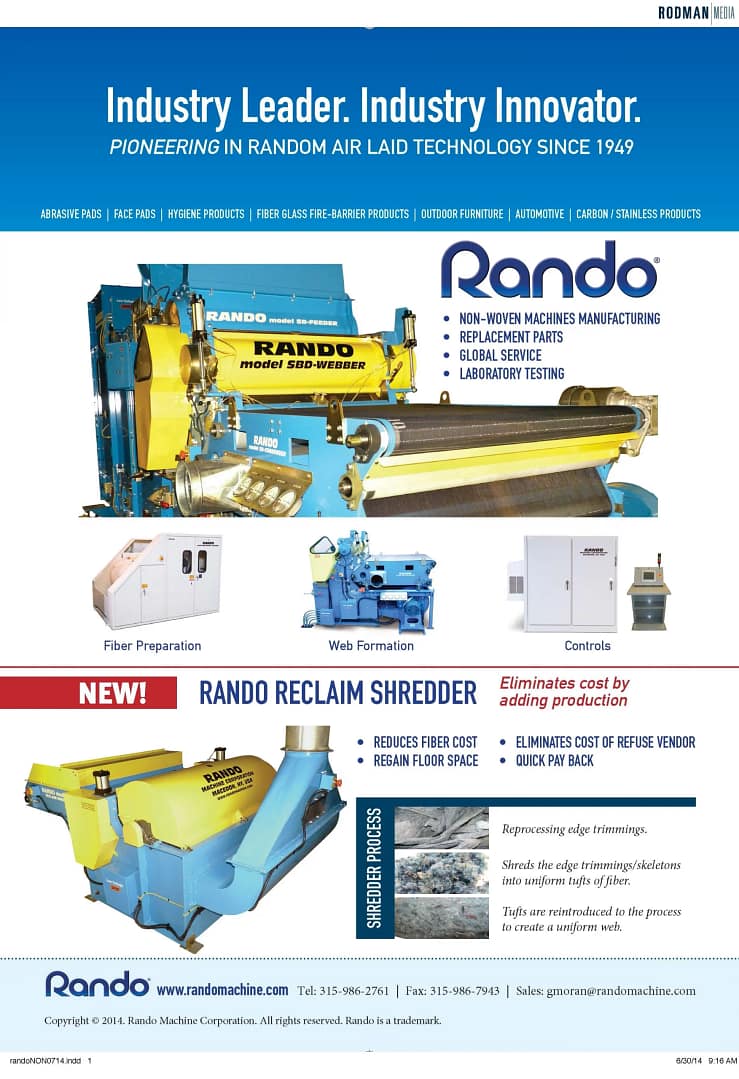
- Cotton Face Pads: Rayon or Bleached Cotton fibers are airlaid into a web and then processed into rolls. Face pads are die cut from this web, and the remainder (skeleton) is shredded, refiberized, and introduced back into the manufacturing process to make new face pads.
- Insulation Panels: Natural or Fiber Glass fibers are airlaid into a web to make products for the construction industry. Edge trimmings and non-conforming produce is shredded, refiberized, and then reintroduced to the manufacturing process for new panels.
Open Loop Recycling examples:
- Plastic Bottles made into fiber for use in athletic clothing
- Paper shredded and converted into cardboard
How Fiber Recycling Works (Step-by-Step Process)
- Collection of fiber waste. Industrial fiber waste is collected at the manufacturing facility, either directly inline (such as edge-trim waste), or at the end of the manufacturing process (such as skeletons or scrap material). Post-consumer waste fiber is more difficult to collect and normally relies on facilities dedicated to specific materials such as used carpet or clothing to prevent contamination.
- Cleaning and decontamination. Initial sorting focuses on removal of contaminants or non-fibrous materials such as buttons, buckles, zippers, etc. After decontamination the materials are packaged in bales.
- Mechanical or chemical recycling. Materials are broken down into useable fibers or monomers (in chemical recycling) for use in new products
Benefits of Fiber Recycling
Environmental Benefits
- Reduces landfill waste
- Lowers carbon emissions
- Preserves forests, crop land, and other natural resources
Economic Benefits
- Low-cost raw material source
- New revenue streams for manufacturers selling waste to recyclers instead of paying to dispose in landfills
Industry Benefits
- Helps businesses meet environmental goals
- Meets consumer demand for sustainably-produced products
Fiber Recycling in Key Industries
Fiber Recycling in Textiles (Apparel, Fashion, Home Furnishings)
- Outdoor furniture edge trims recycled back into main product.
- Clothing made into synthetic shoddy or cotton shoddy for other products.
Fiber Recycling in Packaging & Paper Manufacturing
- Sheet pulp converted into Fluff Pulp to make Diapers .
- Sheet pulp used to make pigs for oil spills.
Fiber Recycling in Construction Materials
- Wood fibers converted into short wood fibers to make mats for erosion control.
- Fiber Glass and Natural fibers recycled reclaimed from edge trimmings or skeletons and reintroduced into the manufacturing process.
Fiber Recycling in Automotive & Aerospace
- Soft edge trims from cotton shoddy insulation products shredded and reintroduced into the manufacturing process.
- Carbon fiber edge trims put back into main product for structural and insulation aerospace products.
Challenges in Fiber Recycling
- Mixed fiber blends
- Contamination
- Dye removal
- Loss of fiber strength.
Best Fiber Recycling Machines & Technologies
Include:
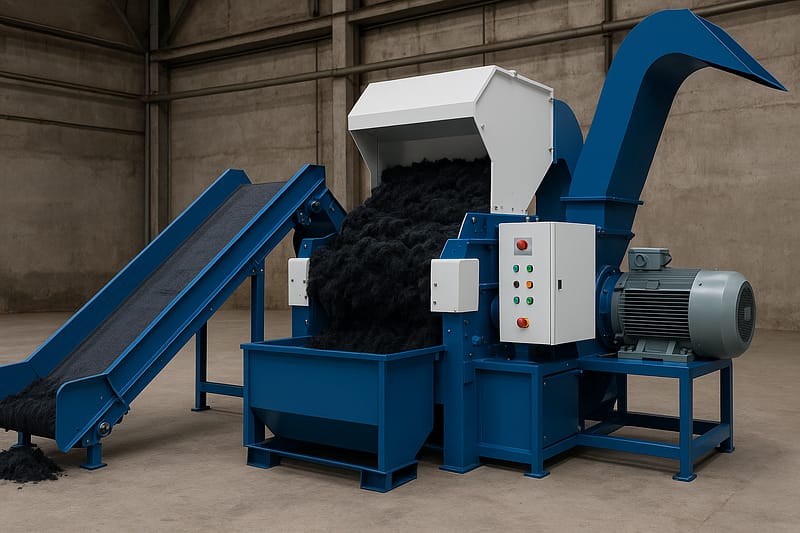
- Fiber shredders which process bonded or post-consumer materials into small pieces suitable for a re-fiberizing machine
- Re-fiberizer machines which pull fibers apart so the fibers can be reused in manufacturing processes
- Industrial cleaning machines which remove contaminants, short, or long fibers so the fibers can be reused in production processes
- Defibering machines which separate fiber from non-fibrous components. These machines are most often used in natural fibers such as coconut or sugar cane.
- Solvent-recycling systems which separates fibers from a composite material or textile blend
- AI optical sorters which use physical properties such as color or shape to sort material for mechanical or chemical recycling
Fiber Recycling vs. Virgin Fiber Production
| Feature | Fiber Recycling | Virgin Fiber Production |
|---|---|---|
| Cost | Lower | Higher |
| Environmental Impact | Low | High |
| Resource Use | Minimal | Heavy water & energy use |
| Sustainability | High | Low |
Future of Fiber Recycling
- AI & robotics integration are making recycling economically feasible for post-consumer materials which must be sorted before recycling
- Zero-waste circular manufacturing is the end goal of every manufacturer as it can reduce economic costs, supply risk, and environmental impact
- High-quality regenerated fibers are becoming the norm as both mechanical and chemical recycling processes improve to the point where the recycled fibers are equal to or higher quality than virgin fibers
Conclusion
FAQs on Fiber Recycling
-
What types of fibers can be recycled?
Many types of fiber can be recycled. The most common include natural fibers such as cotton or wood, polyester, nylon, and fiberglass. Other materials such as contaminated or blended materials are more difficult to recycle and require specialized processes.
-
Is fiber recycling cost-effective?
It depends on the material. Many fibers are highly cost-effect to recycle, while others depend on many factors such as purity or distance to a recycling facility.
-
Can mixed fibers be recycled?
Some mixed fibers can be recycled, especially by chemical processes. While most fibers can be recycled, some are not economically feasible.
-
What industries benefit most from fiber recycling?
- The textile and apparel industry is the largest user of recycled fiber, which is driven by consumer demand for sustainably-produced materials. Many clothing items include recycled polyester (rPET) from recycled plastic bottles.
- The automotive industry in increasing it’s use of recycled fibers in materials such as insulation and soundproofing, carpets, fabrics, and recycled carbon fibers replacing heavier metal components.
- The construction industry uses recycled materials (and natural fibers) in materials such as insulation and geotextiles (used for erosion control)
- Fiber-based packaging such as cardboard and molded pulp use high amounts of recycled fibers
-
What is the difference between mechanical and chemical fiber recycling?
Mechanical recycling uses a process such as shredding or opening to mechanically separate fibers for reuse. Chemical fiber recycling uses chemical processes to break down materials into their molecular building blocks to be re-made into high quality fibrous materials
-
How many times can fibers be recycled?
Some fibers can be recycled indefinitely (especially chemically recycled materials), while others must be blended with virgin material or downcycled due to degradation that occurs during recycling
-
What products can be made from recycled fibers?
Many products are made with recycled fibers including. Some of the most common include:
- Apparel
- Home textiles such as carpet and bedding
- Insulation
- Geotextiles for soil erosion control
- Automotive upholstery